How Far Does It Go? Unveiling China's Crusade Against Religious Apps
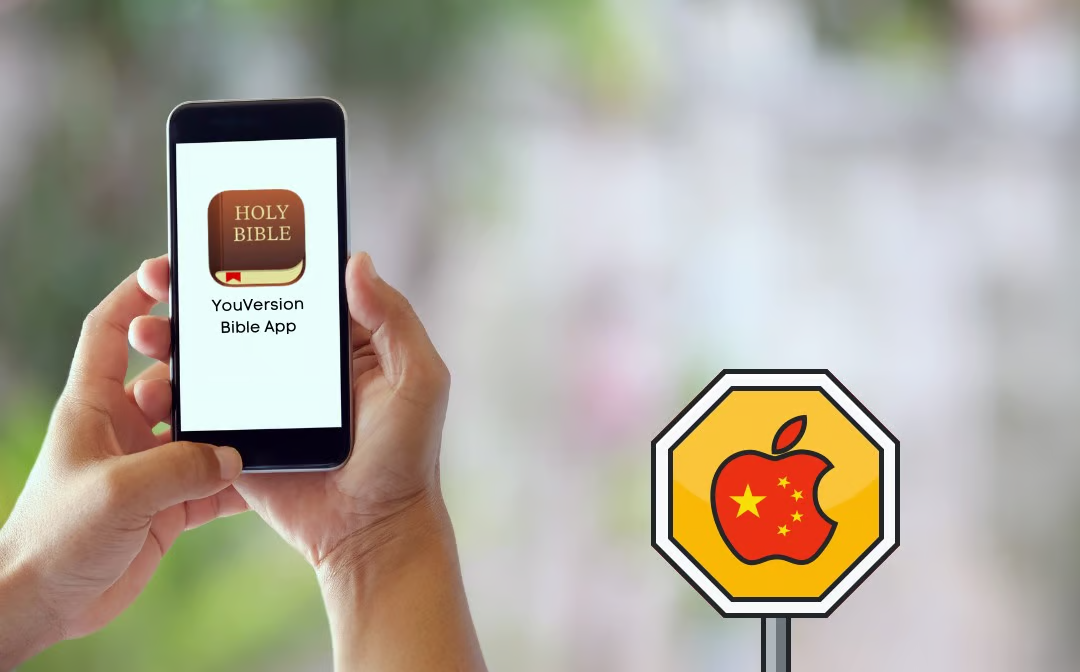
GreatFire's AppCensorship project has conducted an extensive study on the availability of religion-related apps in Apple’s App Stores globally. Utilizing AppleCensorship.com’s App Store Monitor (ASM), the project analyzed over 300 apps associated with the three main monotheistic religions, running more than 50,000 tests between November and December 2023.
The findings are striking: Over half of the apps studied were unavailable in at least one App Store. Notably, China emerged as the only country where there is a significant, widespread blockage of religion-related apps of all kinds. The reason behind this – whether a specific targeting by Chinese authorities or a broader policy affecting numerous app categories – remains unclear.
Benjamin Ismail, Director of GreatFire's AppCensorship project, stated, “It's challenging to ascertain the total number of religion-related apps on the App Store globally; the extent of their availability is equally uncertain. Our research suggests that locating apps universally available is more difficult than finding those restricted in one or more App Stores.”
Ismail further proposed, “A confirmation from Apple regarding the inclusion of religious content in their ‘China blacklist’, which governs content accessibility for iOS users in China, would be enlightening.”
The AppCensorship project has released a list of 155 religion-related apps currently unavailable in one or more of the 175 App Stores operated by Apple globally.
This list, subject to updates, is available here .
“The list will expand to cover more apps for minority religious groups, such as the Ahmadiyya Muslim community, facing persecution in countries like Pakistan. Our ultimate goal is to enable the public to generate these lists directly on AppleCensorship.com, and we are actively working towards this,” added Ismail.
This study presents a stark contrast to previous research on the availability of other “sensitive” app categories. A June 2021 report by GreatFire examined popular LGBTQ+ apps globally , revealing a significant reduction in their availability. Notably, in this case, China was not the sole country restricting access; for instance, Saudi Arabia topped the list with the highest number of unavailable LGBTQ+ apps, followed by China.
Ismail concluded, “While China's record on human rights, including religious freedom, is problematic, other countries with strict religious regulations do not show a systemic ban on Bible apps, as seen in China. This disparity raises important questions about Apple's policies on religious app availability in China and across the world.”